How Does Light Affect The Body
—And How Do We Adapt As Days Shorten?
Article by | Vital Records, NEWS from Texas A&M Health
As daylight hours shrink in fall and winter, exposure to more artificial light could affect our sleep and overall health.
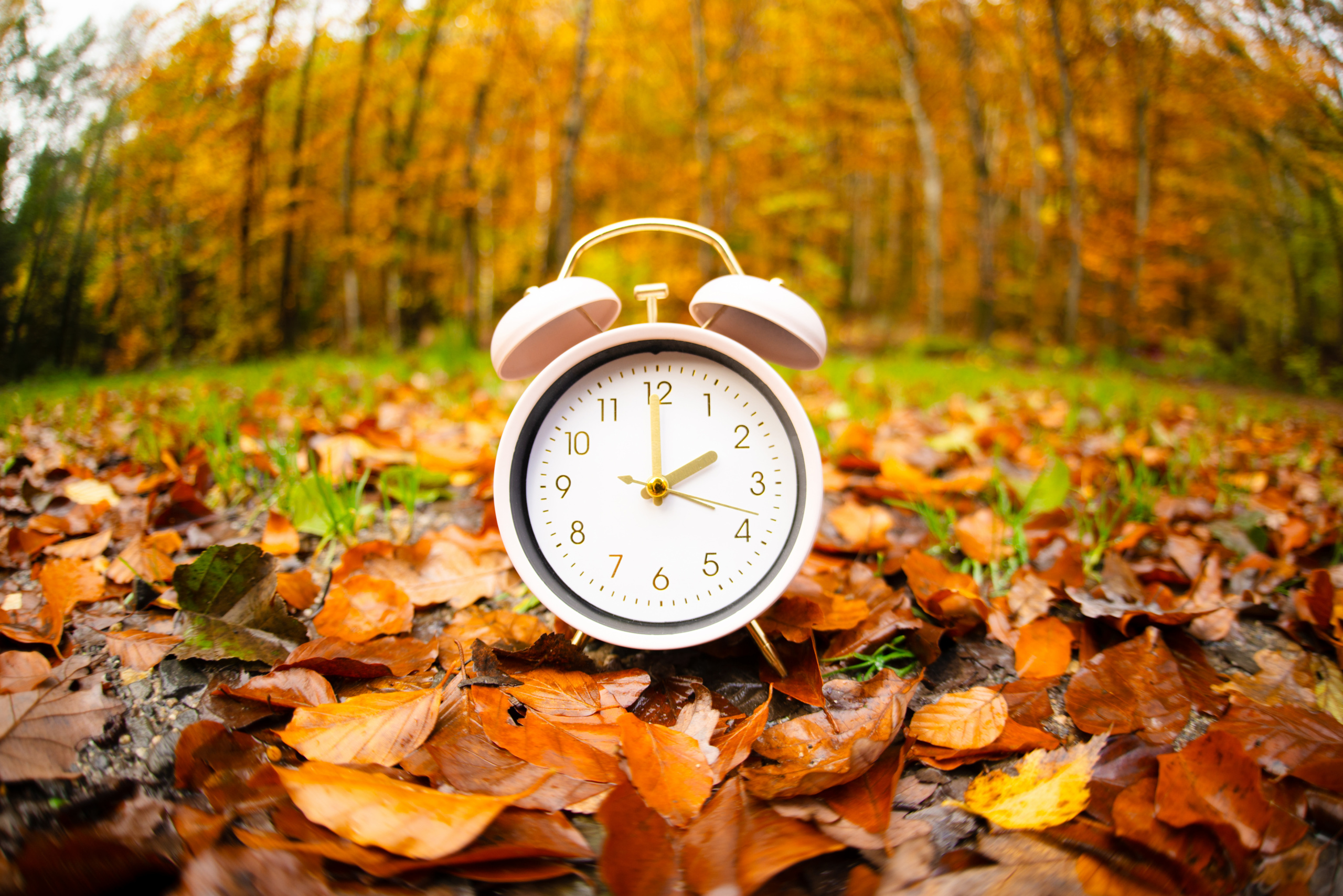
As most Americans prepare to turn back the clocks for the end of Daylight Saving Time, the afternoon sun disappears earlier each day, leaving millions of people stepping out of their offices into sudden evening darkness. What feels like a routine seasonal milestone delivers a significant jolt to the body’s internal clock, disrupting the subtle environmental cues that govern daily energy and sleep.
Human physiology relies heavily on natural light to help regulate everything from hormone secretion to metabolic balance. When available daylight shrinks dramatically overnight, the sudden mismatch between schedules and natural light exposure triggers a cascading series of physical adjustments across the body.
For many, the biannual clock change creates a form of social jetlag, forcing an abrupt change twice a year. Jay Kim, PhD, an associate professor with the Texas A&M University School of Public Health at Texas A&M Health, phrases it this way:
“It’s almost like you are changing prolonged habits every six months, which can be taxing on an individual,” he said.
How does light exposure regulate our energy and circadian rhythm?
Daylight hours shrink with the turn of the season and the end of Daylight Saving Time, but the body continues to rely on external light cues to keep energy stable. The primary signal comes from morning sunlight, which provides a level of intensity indoor fixtures cannot match. Even well-lit indoor spaces rarely exceed 300 to 500 lux, whereas stepping outdoors on a clear morning yields upwards of 5,000 lux of full-spectrum light, according to the Indoor Exposure Index.
Jay Maddock, PhD, Regents Professor and director of the Center for Health & Nature at the School of Public Health, explains that natural light starkly contrasts with most artificial light.
“Natural light, especially morning sunlight, is so much brighter than we realize,” he said. “Even being in a room with all the lights on is way darker than being outside during the day.”
Maddock emphasized that time outside is beneficial regardless of the season. Even cloudy winter days provide substantial sunlight.
“When it is overcast outside, it is still brighter than it is inside your house,” he said.
When sunlight reaches the retina early in the day, it sends a signal to the brain’s master clock—the suprachiasmatic nucleus—triggering a release of cortisol that stimulates wakefulness, according to Johns Hopkins Medicine.
“It’s almost like drinking coffee in the morning,” Kim said.
However, timing determines whether light exposure helps or harms circadian health. While strong daytime light reinforces healthy neural activity, exposure to intense light after sunset suppresses melatonin production—delaying sleep and disrupting deep sleep stages.
“Exposure to bright light during the daytime, especially in the morning, helps you focus better and keep your biological clock aligned with your daily schedule, but bright light later in the day, especially close to bedtime, can shift your biological clock and make it difficult to fall asleep,” Kim explained. “That’s why people are advised to refrain from using smartphones and mobile devices that emit a lot of blue light right before bedtime.”
“The bottom line is that light exposure duration is important, but timing is equally important,” he continued.
When circadian rhythms are chronically ignored, degraded sleep quality creates widespread health risks across the entire body, Maddock said.
“Sleep is vital. Sleep deprivation increases the risk of heart attacks and strokes, reduces attention span, and causes numerous other health issues,” he said. “If we ignore our circadian rhythm, we will not get good sleep.”
What practical adjustments and bulb choices can protect our health?
Addressing seasonal light shifts involves both environmental workplace changes and personal home habits. For windowless commercial and office spaces, investing in human-centric or tunable lighting that mimics natural sunlight cycles yield significant health and performance benefits.
“If an office doesn’t have windows, employers can invest in these types of lights for their staff so they can remain more vigilant and productive,” Kim said.
In personal spaces, managing light intensity throughout the day is crucial for preparing the body for sleep, according to the Texas Center for Lifestyle Medicine.
“With any lighting you purchase, if you have a dimmable switch, start dimming lights through the evening,” Maddock said.
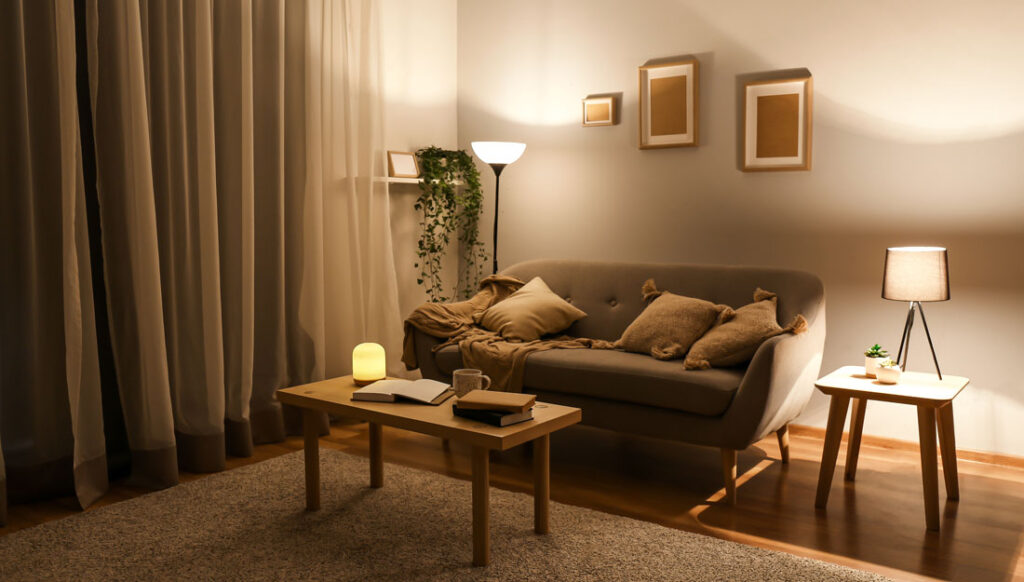
Replacing overhead ceiling fixtures with localized lamps in the evening helps signal the body to prepare for rest, as overhead light mimics the angle of midday sun and stimulates the brain into staying alert.
“I also recommend using non-overhead lights in the evening,” Maddock said. “Instead, use lamps, because ceiling lights attempt to illuminate the entire room, whereas a lamp provides localized light where you are.”
To support waking and sleeping cycles during shorter winter days, specialized light therapy fixtures can effectively simulate morning cues, especially when paired with light-blocking habits at night.
“For people who have to get up hours before the sun rises, I recommend using artificial light bulbs designed for seasonal affective disorder when waking up, alongside dimming the lights in the evening, to mimic a normal sleep-wake cycle,” Maddock said.
When asked what specific light bulbs consumers should buy, experts emphasize fixture placement and lighting layers over expensive individual products.
“Focus on the overall lighting scheme rather than worrying too much about specific light bulbs,” Maddock said.
Ultimately, the most effective strategy requires no special equipment, relying instead on simple daily movement outside to reset both the eyes and the body.
“My number one piece of advice in these cases is to stand up and go outside to get natural light,” Kim said. “Not only is it good for your light exposure, but it is also good for your musculoskeletal health.”