
Summer Safety Tips From EMS:
Fireworks, Heat, and Water
Information courtesy of | Texas A&M Health, Marketing & Communications
From heatstroke to firework injuries, here’s what to know to keep summer fun, safe and out of the emergency room
With summer officially underway, there are plenty of reasons to enjoy the sunny days outdoors with family and friends. Whether you’re grilling, swimming or just spending some time outside, a few simple measures can help you avoid common summer health hazards. David Lozano, Emergency Medical Services (EMS) manager at Texas A&M University Health Services, shares tips to enjoy summer safely:
Stay cool—and know when it’s time to take a break.
Lozano said one of the first things EMS responders ask people experiencing heat-related dizziness, headaches or fainting is when they last urinated. “Often, people say, ‘This morning,’ and it’s already 3 p.m. That’s a sign you haven’t had enough water,” he said. “You want your urine to be light yellow. Dark urine means you’re not hydrated.”
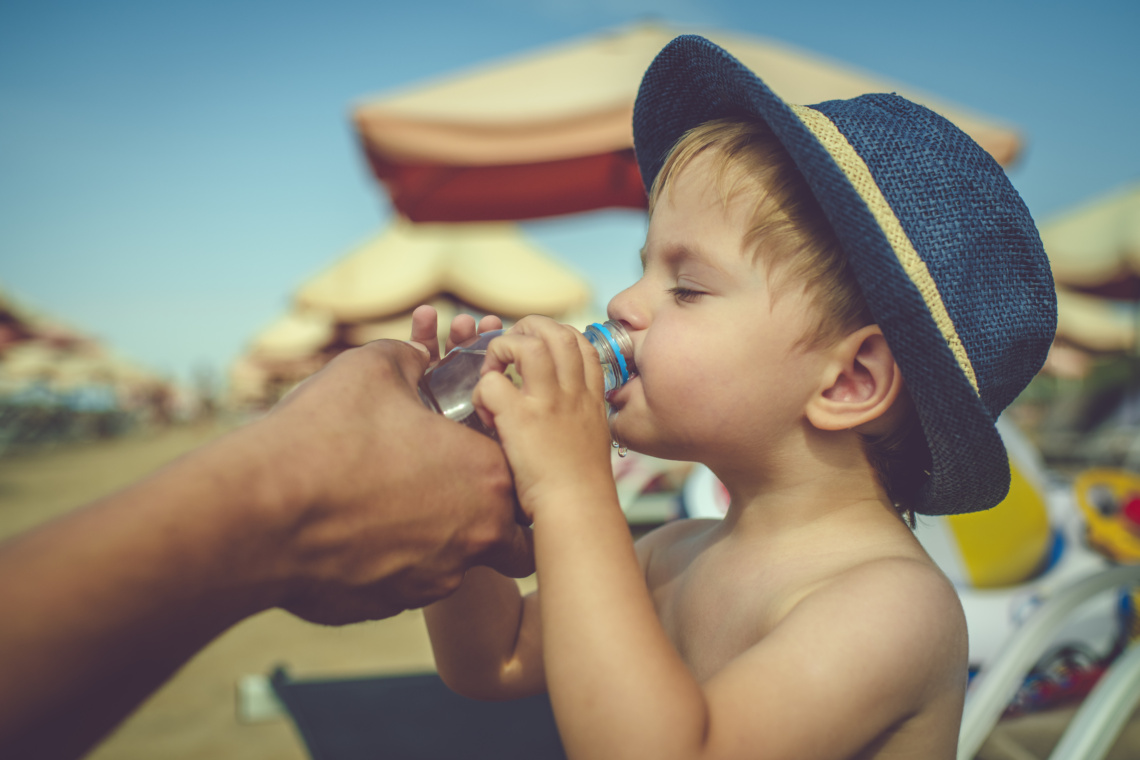
The Mayo Clinic lists additional signs of dehydration among adults as extreme thirst, fatigue, dizziness, confusion and skin that doesn’t flatten back right away after being pinched.
To stay hydrated, Lozano encourages carrying a refillable water bottle and following every sugary beverage you drink with a glass of water. If you start to feel dehydrated, start drinking water immediately. Along with water, add some drinks that contain electrolytes to speed recovery.
Not only does water keep you hydrated, but it also gives your body the moisture it needs to produce sweat, which helps cool you down. When sweat evaporates off the skin, it creates a cooling effect.
However, in humid areas, like here in Bryan-College Station, Lozano said sweat might not have the expected effect. “When it’s humid, sweat sticks to you and doesn’t cool you off,” he said.
A common myth is that you don’t need to worry about heat issues unless you stop sweating, but that’s not true. According to the Centers for Disease Control and Prevention (CDC), early heat illness symptoms include lightheadedness, dizziness, nausea and severe headache.
To avoid heat illness, take frequent breaks indoors—libraries and other public spaces can provide relief when out and about. Additionally, be aware that some medications can increase sensitivity to heat. If someone becomes confused or unconscious, call 911 immediately.
Be smart around fireworks and flames.
With Fourth of July celebrations approaching for Americans, remember that fireworks are illegal within most city limits—including Bryan-College Station—to reduce fire risk and injuries.
Instead of setting them off yourself, Lozano recommends attending professional displays, such as the free fireworks and drone show at the RELLIS campus in Bryan. “Leave it to the professionals; just because you can, doesn’t mean you should,” he said.

Fireworks aren’t the only summertime fire hazard. If you’re setting up the grill this summer, the U.S. Fire Administration recommends grilling only outdoors at least 3 feet from any buildings and keeping a 3-foot safety zone around the grill to avoid fires and injuries. Campfires should be at least 25 feet away from anything flammable.
If someone does get a burn, do not apply ice. This can cause further tissue damage, according to Lozano. Instead, for minor burns, rinse with cool water for 15 to 20 minutes, wash gently with room-temperature water and soap, dry, apply burn cream or antibiotic ointment, if available, and cover with a nonstick dressing. Reach out to your doctor for advice on blisters or small burns. If the burn looks serious or is painful, don’t wait to get help. Call 911 or go to the nearest emergency room immediately.
“Burns can become infected easily, so visit a health center as soon as possible for all burns,” Lozano said.
Stay alert near water.
Swimming is an effective way to beat the summer heat, but drowning can happen quickly—and quietly—in any body of water.
Whether at the pool, lake or beach, Lozano recommends always assigning a sober, alert adult to watch swimmers. “This person should not be distracted or under the influence of alcohol or drugs,” he said.
Lozano also recommended these water safety reminders:
- Know your limits. Don’t go farther or deeper than you’re comfortable with.
- Wear a life jacket when boating, tubing or on open water.
- Never swim while impaired. Alcohol and water are a dangerous mix.
When in doubt, call 911.
“If you think it’s an emergency, call 911,” Lozano said. “That’s what we’re here for. You don’t necessarily need to go to the hospital when EMS comes. They can check your vitals and perform an assessment to make sure you’re okay.”
###
ABOUT TEXAS A&M HEALTH Texas A&M University Health Science Center (Texas A&M Health) comprises five colleges and schools (dentistry, medicine, nursing, pharmacy and public health), integrated University Health Services, several research centers and institutes, and numerous outpatient clinics with a shared mission of advancing health care for all. We serve the state and beyond with campuses and locations in Bryan-College Station, Dallas, Houston, Round Rock, Kingsville, Corpus Christi, McAllen and Navasota. Learn more at health.tamu.edu or follow @TAMUHealth on X (née Twitter).